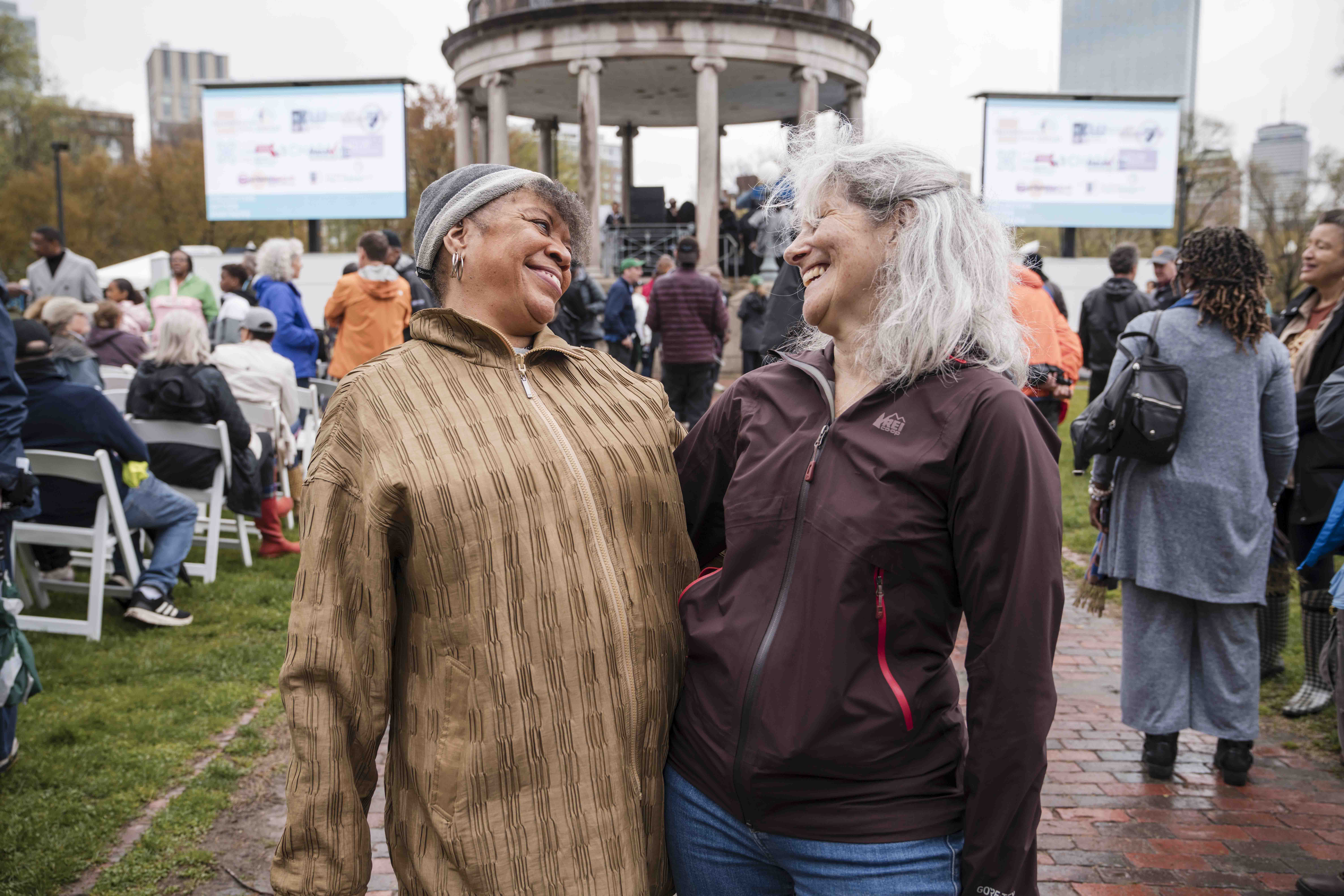
This interactive map invites you to explore Everyone250 Historical Markers and other destinations where history lives. It preserves memory, educates, and recognizes important community contributions in our history. This map will grow as our partners grow.
Tap or click on a historical site on the map to learn more about its story.
Explore the Map:
Discover our Living History
Upcoming Historical Marker Unveilings
Be a part of history and join us for Everyone250 Historical Marker unveilings across our community. View our events calendar for event details.
Follow @everyone_250 on Instagram to stay in the loop on updates.
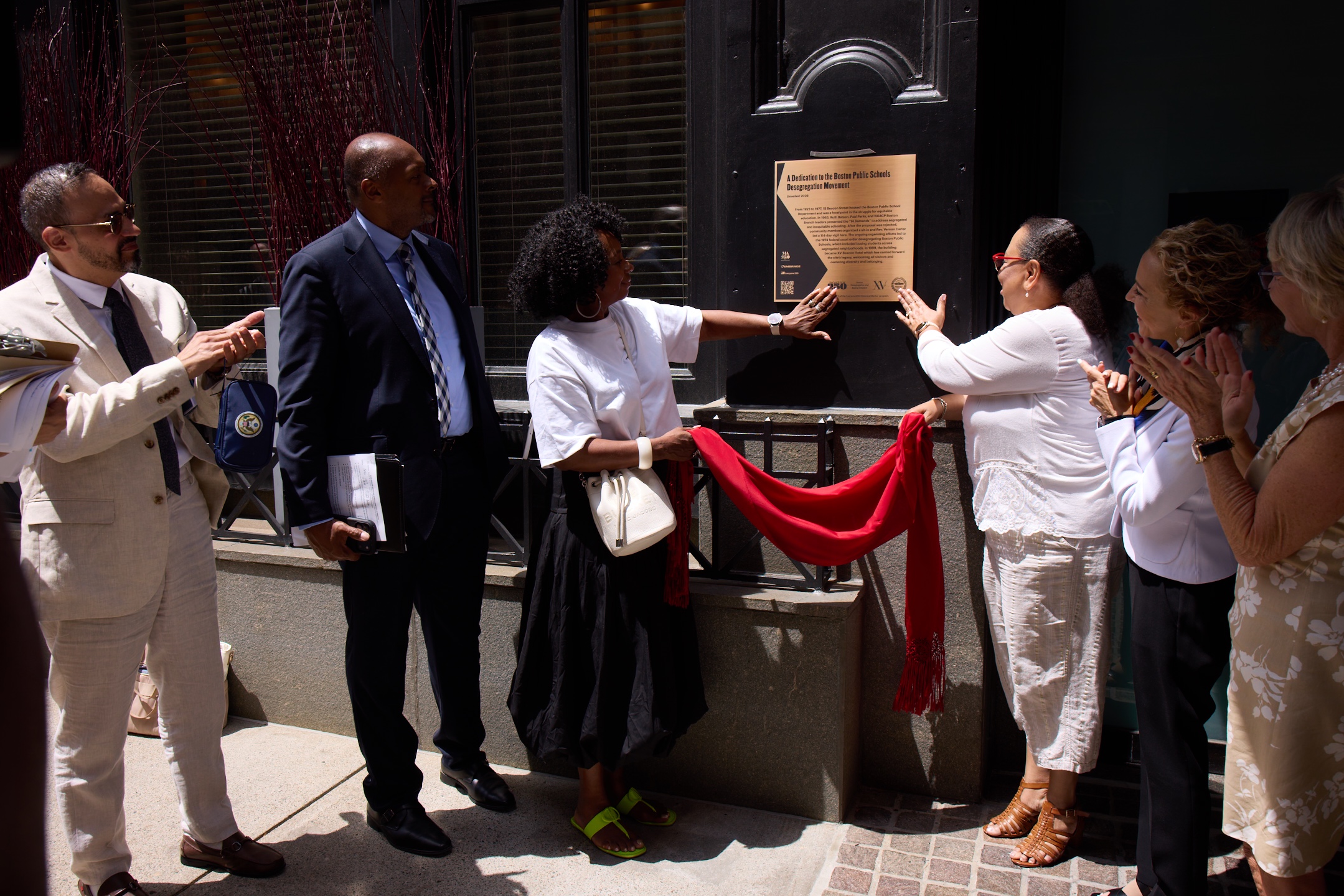
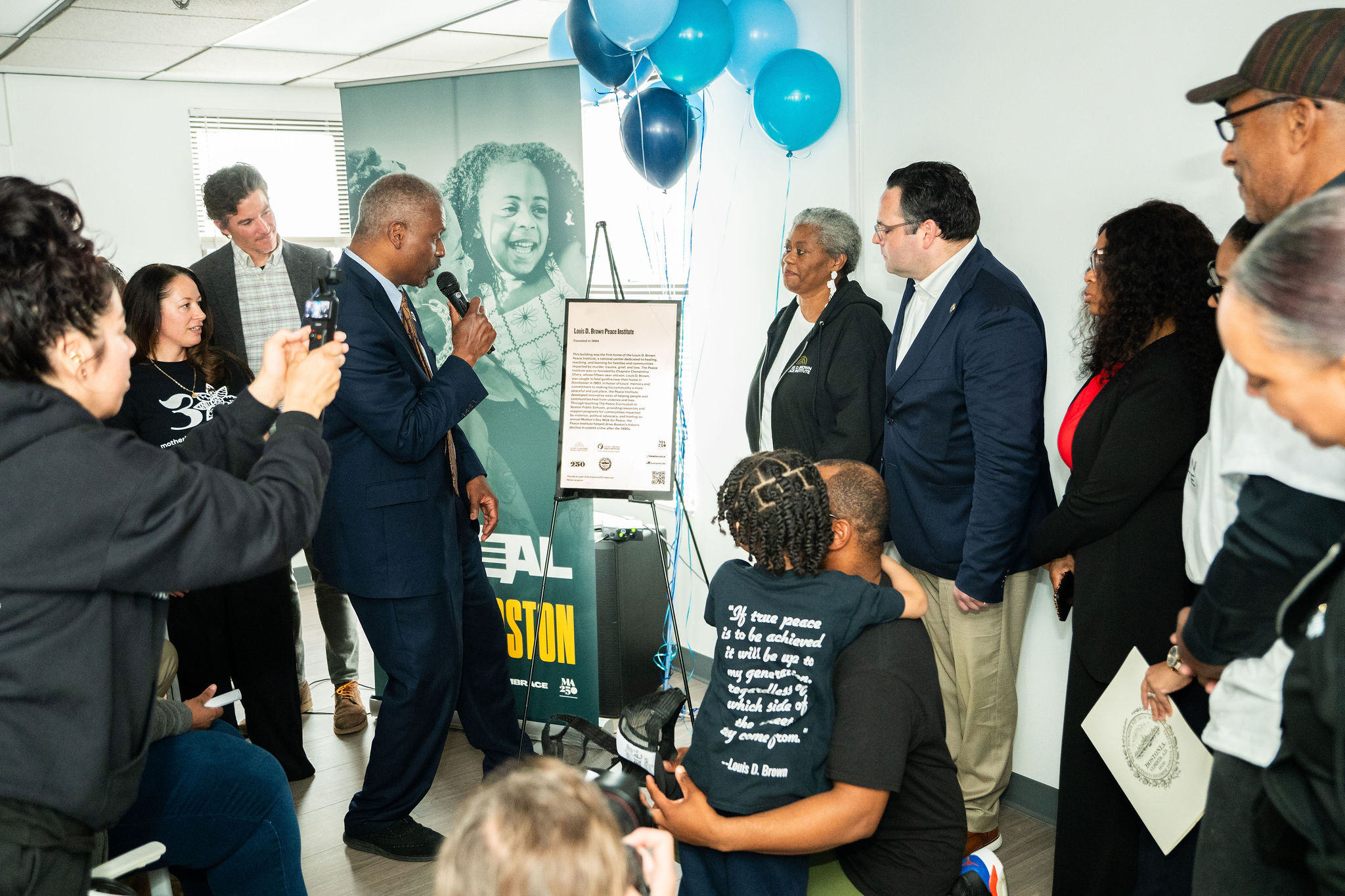
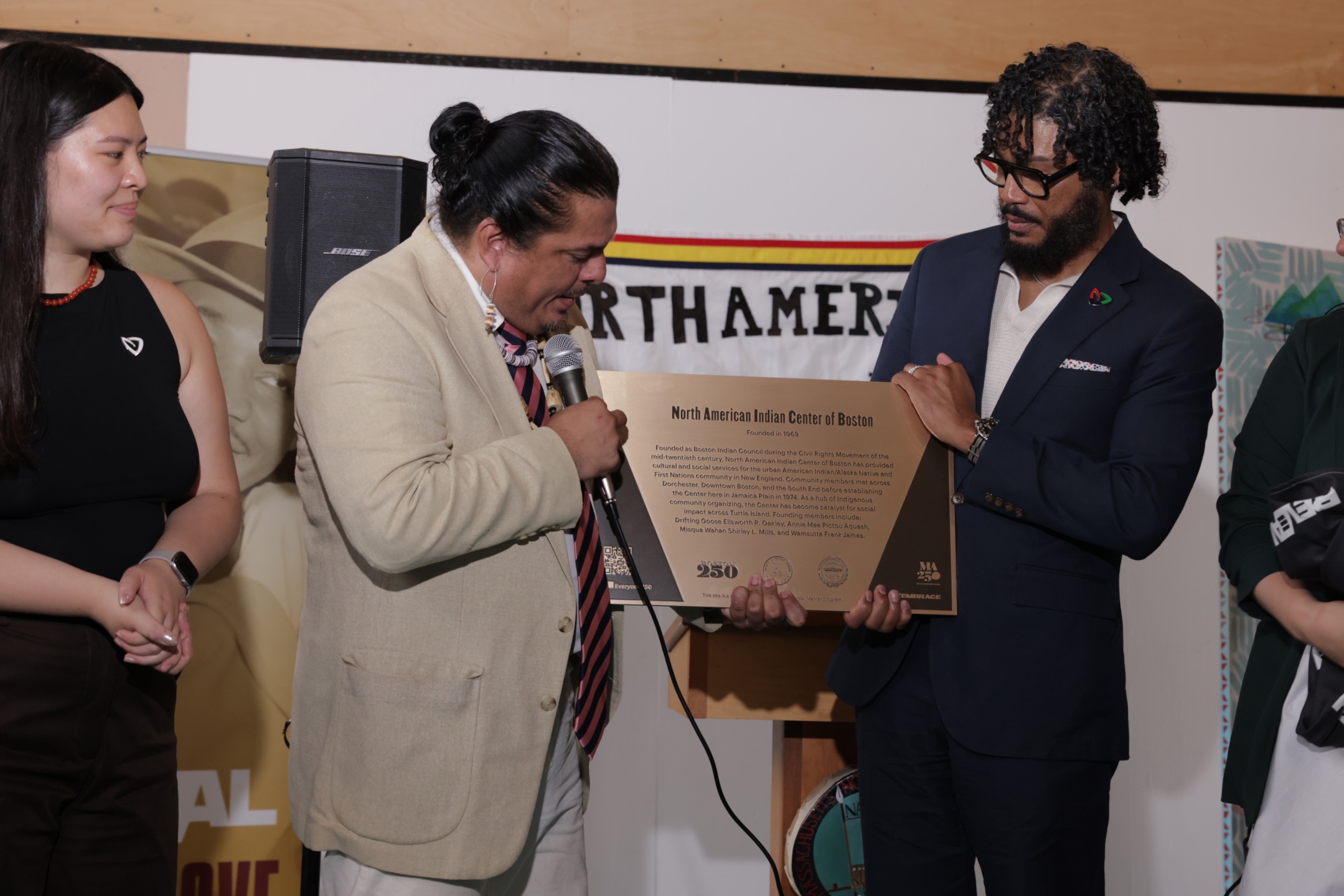

Garrison Trotter Neighborhood Association – The Alma Wright Zen Garden
Saturday, October 24, 2026 | 1-3pm
20-21 Holworthy Street, Roxbury, MA (behind the Trotter Elementary School)
HISTORICAL MARKERS
As Boston approaches the 250th anniversary of American independence, Everyone250 reimagines commemoration and honors the full diversity of the communities that have shaped both Boston and the nation.
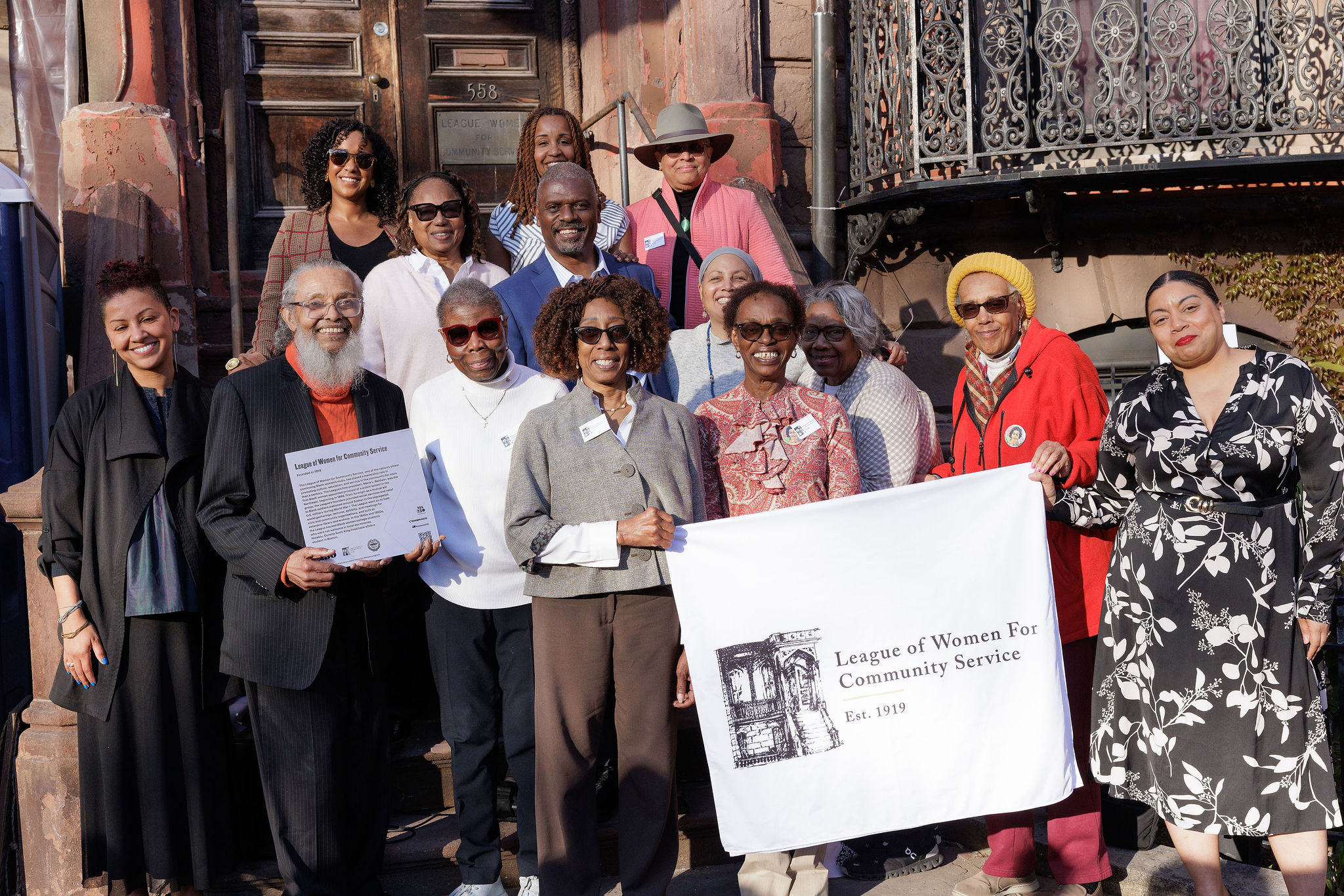
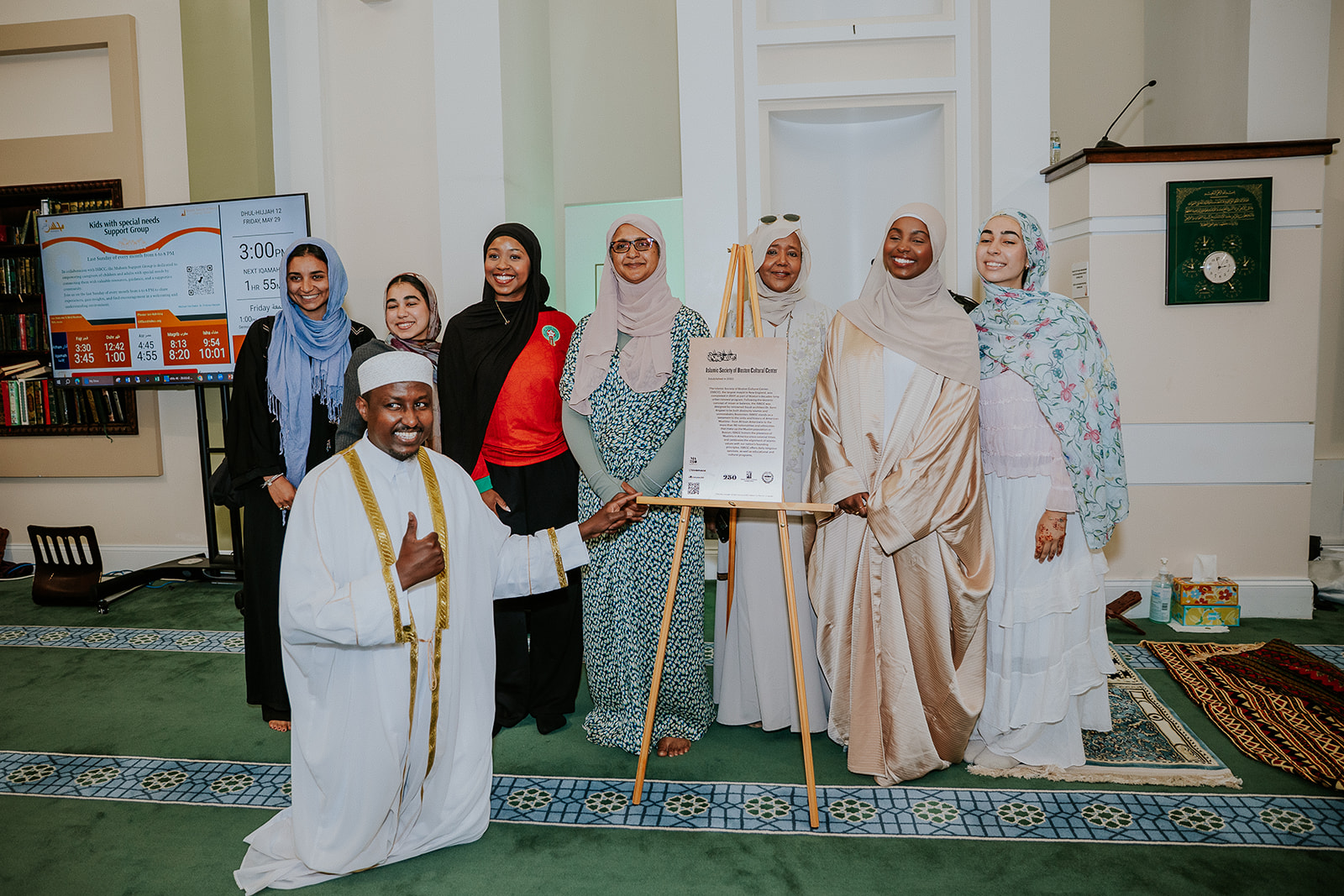
The Historical Markers initiative will commemorate historically significant sites through a collaborative, community-driven process, establishing permanent public markers that honor the spaces where cultural memory and collective resilience live.
These monuments are not simply commemorative objects. They are acts of recognition. They are invitations to learn and reflect. And they are foundational pieces of a broader vision to build a more inclusive and truthful understanding of who we are—and who we can be.
Explore Historical Markers
Swipe to see all Everyone250 historical markers. Click or tap any image below to learn more about the marker and the history it commemorates.